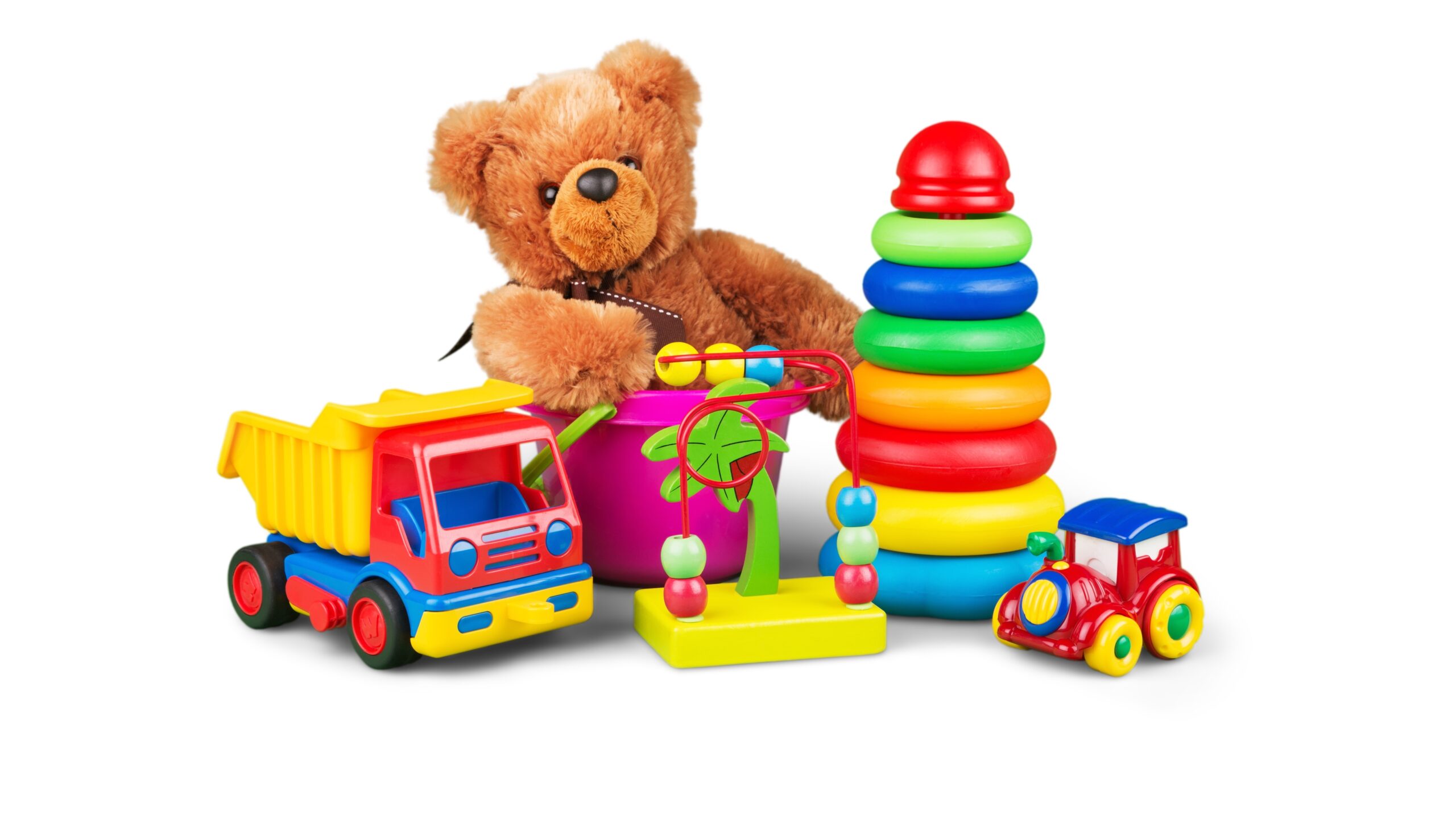
Toys are much more than just objects of amusement for children. From the earliest days of a child’s life, toys are invaluable tools for learning, exploration, and social interaction. They help shape cognitive, emotional, and physical development, all while sparking creativity and imagination. As the world of toys continues to evolve, so too does our understanding of how essential play is for healthy childhood development. Whether it’s through physical toys, interactive gadgets, or simple imaginative play, the role of toys in shaping a child’s future cannot be overstated.
The Universal Language of Play
Across cultures, languages, and societies, play is universally recognized as a vital part of childhood. It is through play that children begin to make sense of their environment, develop social relationships, and understand basic concepts like cause and effect. While each toy offers a unique experience, they all share one core feature: they invite children to explore and experiment with the world around them. This process of discovery is vital for building confidence, autonomy, and critical thinking skills.
玩具店 are also essential for children’s social development. Whether playing alone or with others, toys help children learn how to communicate, cooperate, and resolve conflicts. Toys that encourage group play—such as board games, dolls, or sports equipment—allow children to practice these social skills in a safe and controlled setting. Through this process, children develop empathy, teamwork, and problem-solving abilities that will serve them well into adulthood.
Cognitive Development: Learning Through Play
One of the primary roles of toys is in cognitive development. Cognitive skills, such as problem-solving, memory, attention, and logical thinking, are honed through play. For example, puzzles and shape sorters introduce children to early concepts of geometry, patterns, and classification. As they grow older, they are introduced to more complex challenges, such as jigsaw puzzles, board games, or building sets, which help sharpen reasoning and strategy.
Toys that promote critical thinking and creativity—like building blocks, magnetic tiles, or arts and crafts kits—provide a platform for children to experiment and create. By constructing structures, imagining new worlds, or engaging in storytelling, children exercise their brains and learn to think outside the box. The open-ended nature of these toys encourages problem-solving, planning, and trial-and-error, helping children learn how to navigate challenges both in play and in real life.
Moreover, with the growing integration of technology into play, children now have access to interactive toys and digital platforms that teach coding, math, and science concepts. Coding toys, like programmable robots or apps that teach programming basics, allow children to learn foundational skills in technology and logic, preparing them for a future where these competencies are increasingly in demand.
Fostering Emotional Growth Through Toys
Toys also serve as a valuable tool in emotional development. When children engage with dolls, stuffed animals, or action figures, they often use them to process and express their feelings. Pretend play allows children to practice a variety of emotions—anger, joy, fear, and love—in a way that feels safe and manageable. They often project their own experiences onto their toys, creating scenarios that help them make sense of their feelings and the world around them.
For example, a child playing with a doll might create a storyline where the doll experiences emotions similar to their own. Through this role-playing, children practice empathy by stepping into the shoes of others, understanding how others might feel, and learning how to manage different social situations. This type of imaginative play helps build emotional intelligence, which is crucial for healthy relationships, self-regulation, and resilience later in life.
Additionally, toys that involve cooperative play, such as board games or sports, offer children the chance to practice emotional regulation in the context of winning and losing. These experiences help children build emotional resilience, learn patience, and understand the importance of perseverance—key qualities for navigating challenges as they grow older.
Encouraging Physical Development Through Play
While much of the focus on toys is often placed on mental and emotional growth, toys are equally important for physical development. Physical play encourages the development of fine and gross motor skills, which are essential for activities like writing, running, and swimming. From a simple game of catch with a ball to climbing on playground equipment, physical toys help children strengthen muscles, improve hand-eye coordination, and develop spatial awareness.
Building toys like stacking rings, shape sorters, and LEGO sets also encourage fine motor development as children manipulate small pieces and arrange them in specific configurations. In addition to these toys, interactive outdoor toys, such as bikes, scooters, or sports gear, motivate children to stay active, which is essential for maintaining physical health, building strength, and cultivating a love of movement.
Active toys also promote important life skills such as teamwork, communication, and leadership. Sports toys, for example, help children understand the dynamics of playing in a group, while also developing their own physical coordination and strategy. These activities encourage children to work together to achieve common goals and teach them how to balance competition with cooperation.
The Role of Technology in Toy Innovation
The rise of technology has significantly impacted the toy industry, leading to a new wave of interactive and educational toys. Today’s children are growing up in an increasingly digital world, and toys are no exception. From app-controlled robots to interactive learning platforms, technological toys are transforming how children play and learn.
Smart toys, which incorporate elements of artificial intelligence (AI), can engage children in personalized learning experiences. For instance, some robots can interact with children through speech, helping them learn new words, solve puzzles, or explore basic scientific concepts. These toys can also adapt to a child’s learning pace, providing tailored experiences that challenge them at an appropriate level.
However, there is a growing awareness of the need to balance screen time with more traditional forms of play. While digital toys provide valuable learning opportunities, experts agree that it’s important for children to spend time engaging in physical, tactile play that promotes creativity, social interaction, and emotional development. The key is moderation—digital toys can enhance a child’s learning, but they should never replace the hands-on, imaginative play that forms the foundation of childhood development.
Sustainable and Eco-Friendly Toys: A Growing Trend
In recent years, there has been a notable shift towards sustainability in the toy industry. With growing concerns about the environmental impact of plastic and other non-renewable materials, many toy manufacturers are turning to eco-friendly alternatives. Toys made from recycled materials, sustainable wood, and biodegradable plastics are becoming increasingly popular, offering a greener option for environmentally conscious consumers.
This trend not only helps reduce waste but also provides an opportunity to teach children about sustainability and the importance of caring for the environment. Eco-friendly toys encourage children to think about the planet, instilling values of conservation, recycling, and environmental stewardship from an early age.
Parents are also more likely to choose toys that align with their values, seeking out brands that prioritize ethical labor practices, sustainable materials, and transparency in their production processes. This growing demand for sustainable toys is reshaping the industry, ensuring that future generations will have access to toys that are both fun and environmentally responsible.
Conclusion: Toys as Building Blocks for a Bright Future
Toys are much more than just tools for entertainment—they are fundamental to a child’s development. Through play, children learn valuable cognitive, emotional, and physical skills that will shape their futures. Whether through building sets that encourage problem-solving, dolls that foster emotional intelligence, or sports equipment that promotes teamwork, toys are essential in preparing children for the challenges and opportunities of the world ahead.
As the toy industry continues to innovate, it’s clear that the future of toys lies in their ability to combine learning with fun, creativity with technology, and sustainability with playfulness. By embracing these trends and understanding the profound impact that toys have on children’s growth, we can ensure that the toys of tomorrow will continue to inspire and empower the leaders, thinkers, and innovators of the future.